

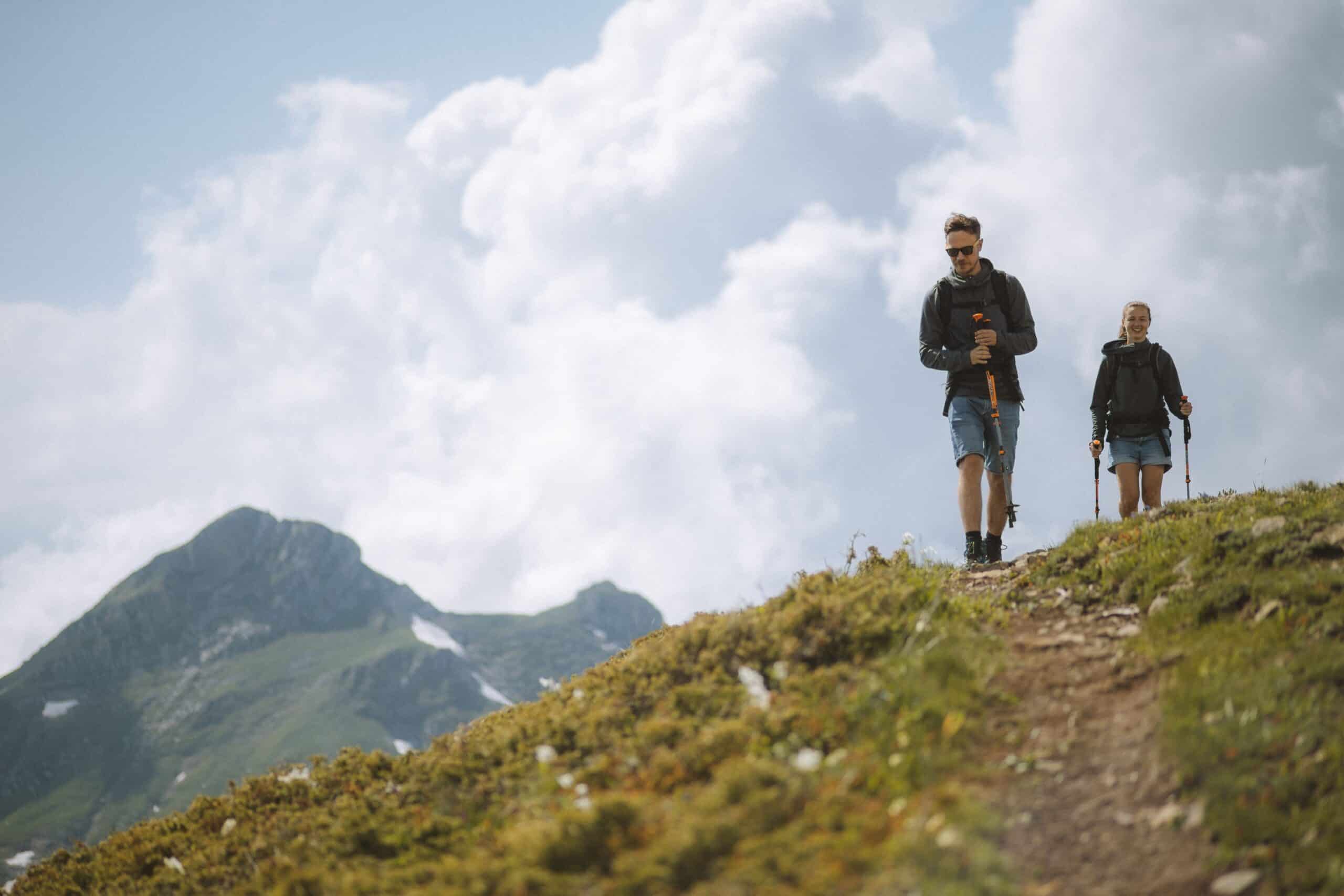
One of the best parts of spending time in a mountain town is how easy it can be to get outside.
For many people, hiking is one of the simplest ways to experience mountain-town life. You do not need expensive equipment, advanced skills, or years of outdoor experience to get started. In many communities, a good trail, a pair of comfortable shoes, and a little planning can open the door to some of the best scenery the area has to offer.
Whether you are visiting a mountain town, working there for the season, or thinking about making a longer-term move, hiking can help you connect with the landscape, the community, and the lifestyle that makes these places special.
Start With Easy Trails
If you are new to hiking, start simple.
You do not need to begin with a long, difficult trail or a steep mountain climb. Many mountain towns have beginner-friendly trails, scenic walking paths, lake loops, river trails, or short overlooks that are perfect for getting started.
Look for trails described as:
- Easy
- Beginner-friendly
- Short distance
- Low elevation gain
- Family-friendly
- Out-and-back
- Loop trail
An easy trail can still offer great views, fresh air, and a real sense of connection to the area. The goal is not to prove anything. The goal is to enjoy being outside safely.
Check the Distance and Elevation
Before choosing a hike, look at both the distance and the elevation gain.
A three-mile hike on flat ground is very different from a three-mile hike that climbs steadily uphill. In mountain towns, elevation can make a trail feel more difficult than expected, especially if you are not used to higher altitudes.
For your first few hikes, choose trails that match your current fitness level. It is better to finish a short hike feeling good than to push too hard and turn the experience into a struggle.
As you gain confidence, you can gradually try longer trails, steeper climbs, or more remote areas.
Wear Comfortable Shoes
You do not need professional hiking boots for every beginner trail, but you do need shoes that are comfortable, supportive, and safe.
For easy trails, sturdy athletic shoes or trail shoes may be enough. For rocky, muddy, or uneven terrain, hiking shoes or boots may be a better choice.
Try to avoid sandals, worn-out sneakers, or shoes with poor traction. Mountain trails can include loose dirt, rocks, roots, mud, water crossings, or steep sections. Good footwear can make a big difference.
Bring Water and Snacks
Even a short hike can feel harder if you are thirsty or low on energy.
Bring more water than you think you will need, especially in warm weather or at higher elevation. A small snack can also help, particularly if the hike takes longer than expected.
Good hiking snacks include:
- Trail mix
- Granola bars
- Fruit
- Crackers
- Nuts
- Sandwiches
- Energy bars
For longer hikes, bring enough food and water to stay comfortable if you are out longer than planned.
Dress for Changing Weather
Weather can change quickly in mountain areas.
A sunny morning can turn into a windy afternoon. A warm trailhead can lead to a cooler overlook. Rain, snow, or sudden temperature changes can happen depending on the season and location.
Before heading out, check the forecast and dress in layers when needed.
Helpful items may include:
- Light jacket
- Rain shell
- Hat
- Sunglasses
- Sunscreen
- Extra layer
- Gloves or warm hat in cooler seasons
Even on a short hike, it is smart to be prepared for changing conditions.
Stay on Marked Trails
Beginner hikers should stay on marked trails whenever possible.
Marked trails are usually easier to follow and safer than wandering off-route. Staying on the trail also helps protect plants, wildlife habitat, and fragile mountain environments.
Pay attention to trail signs, maps, and markers. If you are using a hiking app, remember that phone service may not always be available in mountain areas. It is a good idea to download maps ahead of time or take a photo of the trail map at the trailhead.
Know Your Limits
Hiking should be enjoyable, not miserable.
If you feel tired, lightheaded, overheated, or unsure about the trail, it is okay to turn around. Reaching the end of a trail is not as important as getting back safely.
This is especially true if you are hiking at higher elevation, in hot weather, or in an unfamiliar area.
A simple rule: if the hike stops feeling safe, turn back.
There will always be another trail and another day.
Respect the Local Environment
Mountain towns often depend on the natural beauty around them. Visitors, seasonal workers, and residents all share responsibility for keeping those places healthy.
A few basic trail etiquette tips:
- Pack out your trash
- Stay on the trail
- Do not disturb wildlife
- Keep dogs leashed where required
- Yield to uphill hikers
- Be respectful of other trail users
- Follow posted rules
- Leave natural objects where you find them
Small choices help protect the places that make mountain communities special.
Hiking Can Help You Feel Connected
For people who live and work in mountain towns, hiking can become more than a weekend activity.
It can be a way to decompress after work, meet new people, explore the local area, and feel more connected to the community.
Many mountain-town residents build their routines around outdoor access. A short hike before work, a trail walk after a shift, or a weekend outing with friends can become part of everyday life.
That is one reason hiking is such a natural part of the mountain-town lifestyle.
Final Thoughts
Hiking is one of the easiest ways to begin experiencing mountain-town life.
You do not have to be an expert. You do not need to start with a difficult trail. You simply need to choose a hike that fits your ability, bring the basics, respect the environment, and enjoy the experience.
For job seekers, seasonal workers, remote professionals, and anyone considering a move to a mountain community, hiking can offer a simple reminder of why these places are so appealing.
Mountain towns are not only places to work.
They are places to explore, breathe, move, and connect with the outdoors.