
When people think about mountain towns, they often picture skiing, hiking, biking, fishing, rivers, trails, and beautiful scenery.
Those things matter.
Outdoor recreation is one of the biggest reasons people visit mountain communities, move to them, and look for work there.
But mountain towns are not only defined by the outdoors.
They are also shaped by music, food, festivals, local businesses, farmers markets, arts events, community gatherings, and the people who give each place its personality.
For job seekers, seasonal workers, employers, and anyone considering a move to a mountain town, culture matters. A job may bring someone to a mountain community, but the local culture is often what makes them want to stay.
Mountain Towns Are More Than Outdoor Destinations
Outdoor recreation may be the first thing people notice about a mountain town, but it is usually not the only thing that makes the community special.
A great mountain town often has a rhythm of its own.
There may be live music on weekends, local restaurants filled with regulars, seasonal festivals, art walks, outdoor concerts, farmers markets, holiday events, craft breweries, coffee shops, gear stores, and community traditions that bring people together.
These experiences help turn a destination into a real community.
For someone working in a mountain town, those local connections can make the difference between feeling like a temporary visitor and feeling like part of the place.
Music Brings People Together
Live music is an important part of many mountain communities.
Small venues, outdoor stages, breweries, festivals, restaurants, and community events often create opportunities for local musicians, touring artists, residents, seasonal workers, and visitors to come together.
Music can help define a town’s identity.
In some places, that may mean bluegrass, folk, rock, country, jam bands, jazz, singer-songwriters, or festival culture. In others, it may be small local shows, open mics, summer concerts, or annual events that bring people back year after year.
For workers in hospitality, restaurants, event production, tourism, security, transportation, marketing, and local services, music and events can also create jobs.
A strong cultural scene does more than entertain people. It supports local businesses and helps build community.
Food Is Part of the Local Experience
Food is another major part of mountain-town culture.
Restaurants, cafés, bakeries, breweries, food trucks, farmers markets, and local producers all help shape how a town feels.
For visitors, food is part of the experience.
For residents and seasonal workers, local restaurants and coffee shops often become gathering places. They are where people meet after work, connect with friends, hear about job openings, learn local news, and feel more connected to the community.
Food also creates employment opportunities.
Mountain communities often rely on cooks, servers, bartenders, hosts, dishwashers, managers, baristas, event staff, catering teams, and food and beverage leaders.
For many people, restaurant or hospitality work is one of the most common entry points into mountain-town life.
Festivals Create Energy and Opportunity
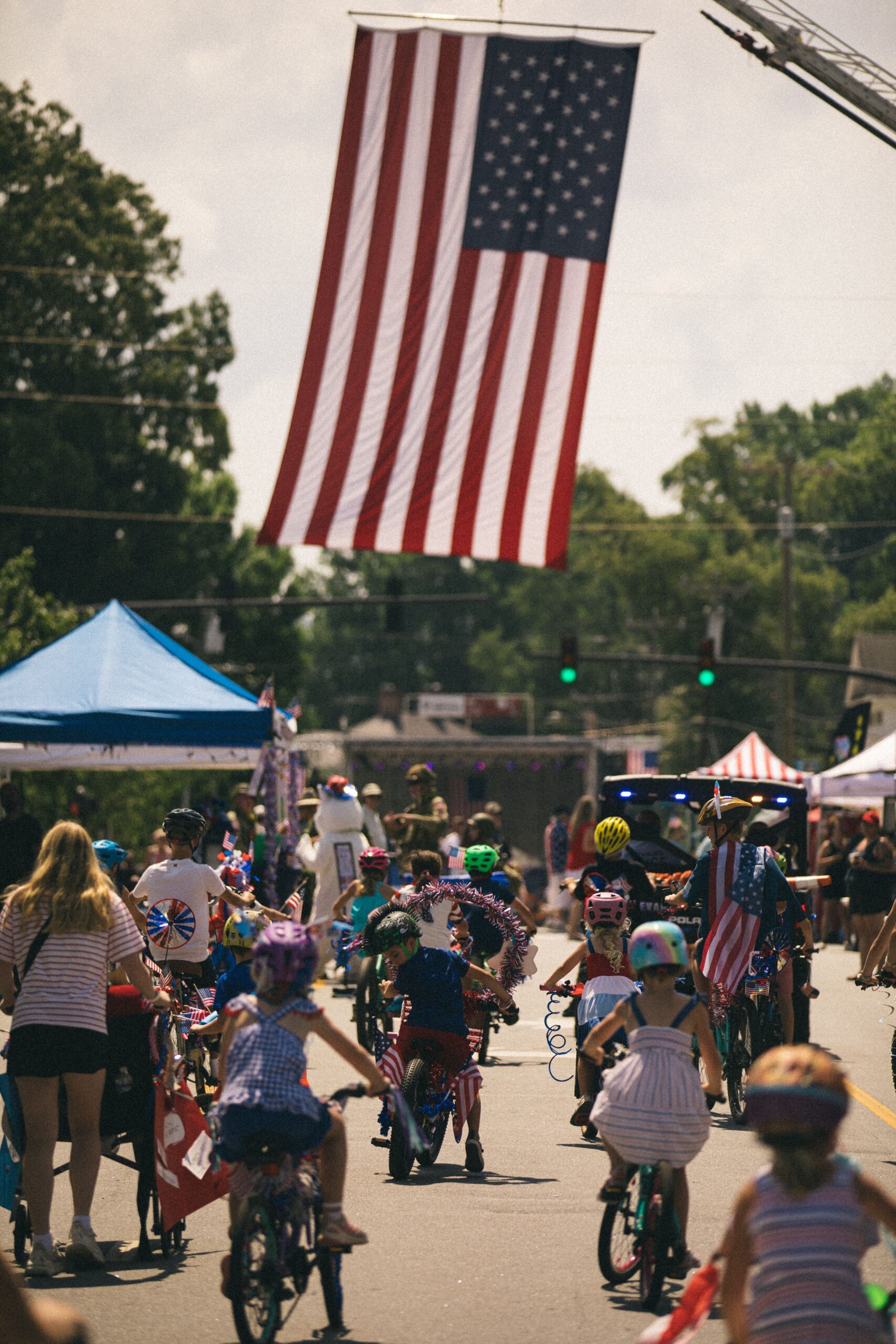
Festivals and seasonal events are a major part of many mountain communities.
Depending on the town, events may include:
- Music festivals
- Food and wine events
- Film festivals
- Outdoor recreation races
- Bike events
- Ski and snowboard events
- Arts festivals
- Farmers markets
- Holiday celebrations
- Community fairs
- Trail races
- Fishing or rafting events
These events bring energy into a town. They attract visitors, support local businesses, and create temporary or seasonal work.
They also give communities a chance to show what makes them unique.
For job seekers, festivals can create opportunities in event operations, hospitality, food service, security, transportation, marketing, retail, lodging, and guest services.
For employers, events can help bring visibility to the community and attract people who may later want to work or live there.
Local Businesses Give Mountain Towns Their Character
Independent businesses are often at the heart of mountain communities.
Outdoor shops, cafés, bookstores, restaurants, guide services, breweries, galleries, music venues, lodging properties, wellness studios, and family-owned stores all help shape the local experience.
These businesses often do more than sell products or services. They create gathering places. They sponsor events. They employ local residents. They support seasonal workers. They help define what makes the town different from anywhere else.
For people moving to a mountain town, local businesses can also be a great way to get connected.
Working in a local restaurant, gear shop, hotel, café, or outdoor company can help someone meet people quickly and become part of the community.
Culture Matters for Employers, Too
For employers in mountain towns, culture is not just a nice extra.
It can be part of the recruiting story.
Many candidates are not only looking for a job. They are looking for a lifestyle, a community, and a place that feels meaningful.
A job posting that only lists duties and requirements may miss part of what makes the opportunity attractive.
Employers can help candidates understand the full picture by highlighting:
- The local community
- Outdoor access
- Events and festivals
- Restaurants and local businesses
- Seasonal activities
- Team culture
- Opportunities to get involved
- Why people enjoy living and working there
This is especially important when recruiting people from outside the area.
Someone considering a move to a mountain town wants to know more than what the job pays. They want to understand what life might feel like.
Culture Helps People Stay
Attracting workers is one challenge. Keeping them is another.
In many mountain towns, retention can be difficult because of housing costs, seasonal schedules, cost of living, and limited long-term career paths.
But community connection can make a difference.
People are more likely to stay when they build friendships, find favorite local places, attend events, join activities, and feel connected to something beyond work.
Music, food, festivals, and local culture can help create that connection.
For seasonal workers, those experiences may turn a short-term job into a memorable chapter of life.
For long-term residents, they help make a mountain town feel like home.
Final Thoughts
Mountain communities are often known for their scenery and outdoor recreation, but their culture is just as important.
Music, food, festivals, local businesses, and community events help give each mountain town its own identity.
For job seekers, culture can help determine whether a place feels like the right fit. For employers, culture can be part of attracting and retaining people who want more than just a paycheck.
A mountain job is often about more than work.
It can be about joining a community, building a lifestyle, and becoming part of a place shaped by both outdoor adventure and local connection.
MountainJobs is here to help people discover opportunities in mountain communities where work, lifestyle, culture, and the outdoors come together.