
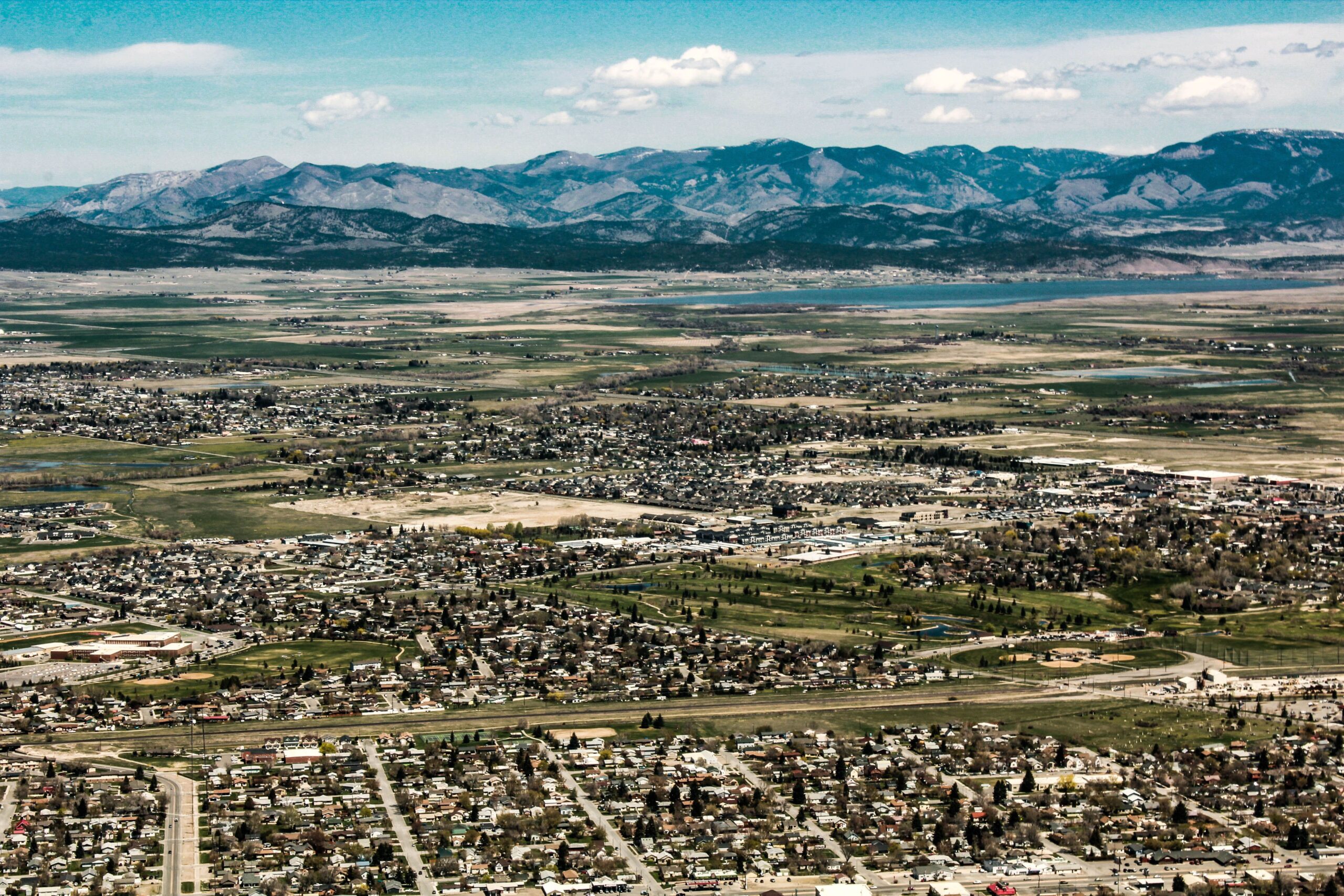
Mountain towns have a way of capturing people’s imagination. Snow-covered peaks, hiking trails, charming downtowns, and endless outdoor adventures often create the perfect picture of mountain living.
But moving to a mountain community is about much more than beautiful scenery.
Like any place, mountain towns come with unique opportunities and challenges. Understanding both sides of the experience can help you make a smoother transition and appreciate everything these communities have to offer.
Here are a few things that people often discover after making the move.
You’ll Spend More Time Outdoors Than You Ever Expected
One of the biggest surprises for newcomers is how quickly outdoor recreation becomes part of everyday life.
Instead of planning weekend trips, many residents finish work and head straight to a hiking trail, ski slope, mountain bike ride, or nearby lake. Nature becomes part of your daily routine rather than an occasional escape.
Community Really Matters
Mountain towns often have smaller populations, which means people tend to know one another.
You’ll likely see familiar faces at the grocery store, local coffee shop, or community events. Over time, those casual conversations often turn into friendships.
Many people discover that the sense of community becomes one of the biggest reasons they choose to stay.
The Pace of Life Can Feel Different
Life in a mountain town is often a little slower than in a major city.
That doesn’t mean people aren’t busy, it simply means many communities place a higher value on balance, family, and enjoying the outdoors.
For some people, this slower pace is exactly what they’ve been searching for.
Every Season Brings Something New
Mountain communities aren’t just about winter skiing.
Spring brings wildflowers and rushing rivers.
Summer offers hiking, mountain biking, fishing, and festivals.
Fall delivers spectacular colors and crisp mountain air.
Winter transforms the landscape into a playground for snow sports and cozy evenings.
Living in a mountain town means experiencing all four seasons in a meaningful way.
Housing May Take Some Planning
One of the realities of mountain living is that housing can be competitive, particularly in popular destinations.
Planning ahead, asking employers about housing assistance, and being flexible about nearby communities can make the transition much easier.
A little preparation goes a long way.
You’ll Support Local Businesses More Often
Mountain towns are filled with locally owned restaurants, cafés, breweries, outfitters, and shops.
Many residents enjoy supporting these businesses because they help define the character and personality of the community.
Shopping local becomes part of everyday life.
Weather Is Part of the Adventure
Mountain weather can change quickly.
A sunny morning may become a snowy afternoon, and conditions can vary dramatically depending on elevation.
Most residents learn to embrace the changing weather and keep an extra jacket, hiking boots, or snow gear ready when needed.
Work-Life Balance Can Feel More Achievable
Many people move to mountain communities because they want more than just a different job, they want a different lifestyle.
Whether it’s spending evenings on the trail, weekends skiing, or simply enjoying a quieter pace, mountain living often creates opportunities to better balance career and personal life.
You May Never Want to Leave
Perhaps the biggest surprise is how quickly mountain towns begin to feel like home.
What starts as a temporary move for a job or a season often becomes something much more permanent.
People arrive for the scenery but frequently stay because of the friendships, community, and quality of life.
Final Thoughts
Mountain living isn’t perfect, and every community has its own personality and challenges.
But for many people, the benefits far outweigh the adjustments.
Beautiful landscapes, welcoming communities, outdoor adventure, and meaningful career opportunities combine to create a lifestyle that is difficult to find elsewhere.
At MountainJobs, we’re committed to helping people discover careers and communities where they can thrive, both professionally and personally.
Because sometimes the best move isn’t just changing jobs.
It’s changing where you choose to live.