
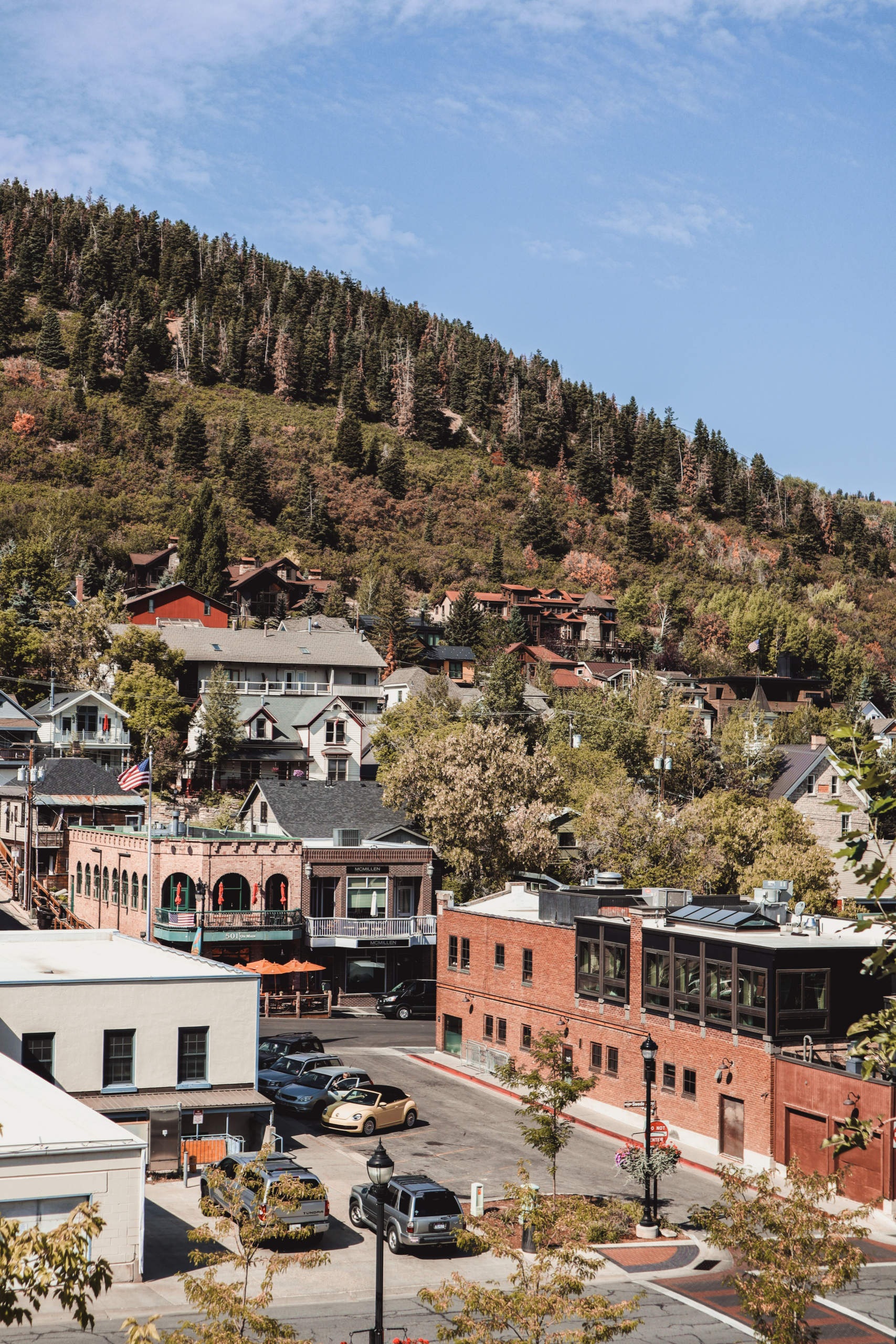
Moving to a mountain town can sound like a dream.
Fresh air, beautiful scenery, outdoor recreation, local restaurants, community events, and easy access to hiking, skiing, biking, fishing, or simply spending more time outside.
For many people, mountain-town life offers a different pace and a stronger connection to the outdoors.
But before making the move, it is important to think through the practical side.
Mountain towns can be incredible places to live and work, but they also come with unique challenges. Housing, employment, weather, transportation, cost of living, and seasonal economies can all affect your experience.
Here are a few important things to consider before moving to a mountain town.
Housing Can Be Competitive
Housing is often one of the biggest challenges in mountain communities.
In popular resort towns and outdoor destinations, rental housing may be limited, expensive, or difficult to find. Some communities have strong demand from seasonal workers, year-round residents, tourists, second-home owners, and remote workers.
Before moving, research the local housing market carefully.
Ask questions such as:
- Are rentals available year-round?
- Are most rentals seasonal or short-term?
- What is the average monthly rent?
- Are roommates common?
- Do employers offer employee housing?
- Is housing close to work, or would you need transportation?
If you are considering a seasonal job, employee housing can make a major difference. A job that includes housing may be much more realistic than trying to find your own place in a competitive mountain-town market.
Employment May Be Seasonal
Many mountain towns have economies shaped by tourism and outdoor recreation.
That can create great opportunities, but it can also mean that work changes by season.
Winter may bring ski resort jobs, hospitality roles, restaurant work, retail positions, and transportation needs. Summer may bring hiking, biking, rafting, fishing, camping, festivals, national park tourism, and outdoor recreation jobs.
Common mountain-town jobs may include:
- Resort staff
- Hotel and lodge employees
- Restaurant and bar staff
- Outdoor recreation workers
- Retail associates
- Property management staff
- Healthcare workers
- Local service providers
- Event staff
- Maintenance and operations workers
Before moving, think about whether you want seasonal work, year-round employment, or a long-term career path.
Seasonal jobs can be a great way to get started, but if you want to stay longer term, it is smart to research year-round employers and industries in the area.
Cost of Living Matters
Mountain towns can vary widely in cost of living.
Some smaller communities may be more affordable than major cities, while popular resort towns can be expensive. Rent, groceries, gas, restaurants, utilities, transportation, and healthcare access can all affect your budget.
Before moving, create a basic monthly budget.
Consider:
- Rent
- Utilities
- Food
- Transportation
- Health insurance or medical costs
- Gear or clothing for the local climate
- Savings for slower seasons
- Emergency expenses
If you are taking a seasonal job, ask how many hours you can realistically expect to work. A job may sound good on paper, but your actual income depends on wages, hours, tips, housing costs, and season length.
A mountain-town move works best when the lifestyle and the numbers both make sense.
Weather Can Shape Daily Life
Weather is part of mountain-town living.
That can be one of the best parts of the experience, but it can also require adjustment.
Depending on the location, you may deal with heavy snow, icy roads, mud season, wildfire smoke, high elevation, cold mornings, strong sun, or quick weather changes.
Before moving, learn what daily life looks like in each season.
Ask yourself:
- Do I need winter driving experience?
- Will I need snow tires or all-wheel drive?
- Am I comfortable with cold weather?
- How long is the winter season?
- Are there seasonal road closures?
- What is summer like?
- Are wildfire smoke or drought concerns part of the area?
Mountain weather can be beautiful, but it is also something to prepare for.
Transportation May Be Different
In some mountain towns, having a car is very helpful. In others, public transportation, resort shuttles, bike paths, or walkable town centers may make it easier to get around without one.
Before moving, look at transportation options.
Consider:
- Distance from housing to work
- Public transit or shuttle availability
- Winter road conditions
- Parking availability
- Cost of gas and maintenance
- Whether biking or walking is realistic
- Distance to airports, larger towns, or medical services
Transportation can affect your budget, schedule, and quality of life.
If you are relying on employee housing, ask whether transportation to the worksite is provided or whether you will need your own vehicle.
Community Fit Is Important
Mountain towns often have strong local identities.
Some are resort-heavy. Some are quiet and rural. Some have active arts and music scenes. Some are built around skiing, hiking, biking, fishing, or national park tourism. Some feel polished and upscale, while others feel more low-key and outdoorsy.
Before moving, think about what kind of community you want.
Do you want:
- A busy resort town?
- A smaller local community?
- A strong music and arts scene?
- A place with nightlife and restaurants?
- A quiet town with easy outdoor access?
- A town with year-round residents?
- A place with career growth opportunities?
It can help to visit before moving, if possible. Spend time in the town beyond the main tourist areas. Go to a grocery store, walk through neighborhoods, talk to locals, and see what the pace feels like.
A mountain town may be beautiful, but it also needs to fit your lifestyle.
Healthcare and Services Can Vary
Smaller mountain communities may not have the same access to healthcare, shopping, services, or specialized support as larger cities.
Before moving, research what is available nearby.
Consider:
- Clinics and hospitals
- Dental care
- Pharmacies
- Grocery stores
- Banks
- Internet and phone service
- Childcare or schools, if relevant
- Distance to a larger city
For many people, this is not a dealbreaker. It is simply something to understand before making the move.
Living in a beautiful place can sometimes mean traveling farther for certain services.
Think About Your Long-Term Goal
Not everyone moves to a mountain town for the same reason.
Some people want one season of adventure. Some want to work at a resort. Some want to build a career in hospitality or outdoor recreation. Some want a slower pace of life. Some want to relocate permanently.
Before moving, be honest about your goal.
Are you looking for:
- A seasonal job?
- A new career path?
- A lifestyle change?
- A place to settle down?
- A temporary adventure?
- A job with employee housing?
- A community built around outdoor recreation?
Knowing your goal can help you make better decisions about where to move, what jobs to apply for, and how much planning you need.
Final Thoughts
Moving to a mountain town can be a rewarding experience.
It can bring you closer to the outdoors, introduce you to new people, and create opportunities to work in places shaped by recreation, hospitality, tourism, and community life.
But the best moves are usually the ones made with both excitement and preparation.
Before moving, research housing, jobs, cost of living, weather, transportation, healthcare, and community fit. Think about whether you want a seasonal experience or a longer-term path.
Mountain-town life can be beautiful, active, and meaningful.
It just works best when you understand both the dream and the details.
MountainJobs is here to help job seekers explore opportunities in mountain communities and discover places where work, lifestyle, and the outdoors can come together.