

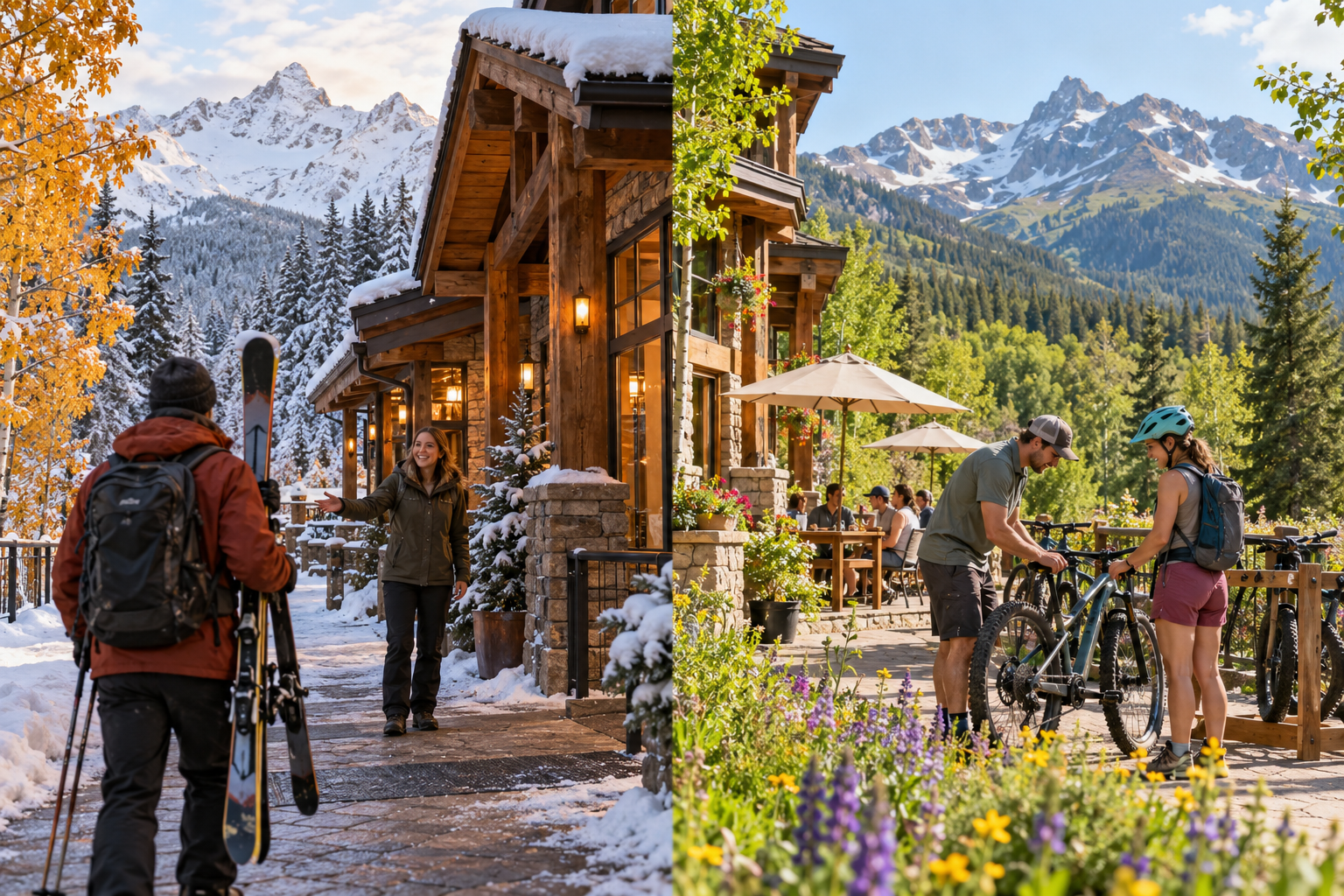
A mountain town can feel like a different place as the seasons change. The businesses remain, but visitor activities, operating hours, and daily working conditions may shift.
For job seekers, understanding those changes matters. Experience in a summer role may transfer well to winter work, but the schedule, physical demands, and practical arrangements can be different.
The pattern also varies by location. A town with busy autumn tourism may have a different employment cycle from a ski community or a destination centered on summer recreation.
Here are the main differences to consider.
The Work Follows the Activities
During spring and summer, your search might include campgrounds, outdoor tours, landscaping, trail-related businesses, warm-weather attractions, and visitor services.
In fall, some of those operations continue while others reduce hours or close. Businesses may focus on autumn visitors, maintenance, or preparation for winter.
Winter can bring a different mix of work, including snow-related recreation, equipment rentals, indoor guest services, and cold-weather operations.
Look beyond the job title. Ask what you will actually be doing during the season you plan to work.
Busy Periods Can Move
A business that is busy in July may be quieter in November. Another may rely heavily on winter visitors.
Fall does not automatically mean an off-season. Foliage destinations and communities with autumn attractions can have their own busy periods. Similarly, spring can involve either a slowdown or continued activity, depending on the location.
Ask employers when demand increases, when hours may fall, and whether staffing changes between seasons. Those answers are more useful than assuming every mountain town follows the same calendar.
Weather Changes the Working Day
An outdoor summer position may involve heat, sun exposure, or afternoon storms. Fall and winter roles can involve colder temperatures, wet conditions, ice, and shorter daylight hours.
Weather can also affect indoor workers through commuting, deliveries, and changes in customer traffic.
Ask what clothing or equipment is required, what the employer provides, and how duties change during difficult conditions. Understand any physical requirements before committing.
Transportation Needs May Change
A commute that feels straightforward in summer may require more planning in winter.
Before accepting a role, investigate the route between your housing and workplace. Ask about staff transportation, public transit, parking, and the hours when services operate.
Early starts and late finishes deserve particular attention. A bus route may serve the area but still fail to match your shift.
If you plan to drive, research local winter conditions and vehicle requirements before moving.
Start Dates and Training May Differ
Some seasonal jobs begin with a clear training period. Others depend more closely on operating schedules or conditions.
A position recruited during fall may not provide paid work immediately. Confirm the expected first paid day, the training schedule, and what happens if opening is delayed.
Also clarify the anticipated end date. This helps you plan housing, travel, and your next source of income.
Housing Needs Careful Coordination
If accommodation is tied to employment, your housing dates may follow the job rather than your preferred travel schedule.
Ask when you can move in, when you must leave, what it costs, and whether you can stay between seasonal contracts. Confirm the details rather than assuming a returning employee will keep the same arrangement.
For independent rentals, compare lease dates with your work schedule and allow for any gap between arriving and receiving your first paycheck.
Transferable Skills Still Matter
Customer service, teamwork, organization, reliability, and problem-solving remain useful across seasons.
A summer hospitality worker may have relevant experience for a winter guest-services role. Someone who handled reservations or maintained equipment may be able to apply those strengths in another department.
Describe what you accomplished and how it relates to the next job. Be equally clear about any new skills or training you will need.
Choose the Season That Fits Your Plans
Think about the working conditions you enjoy, the hours you need, and the lifestyle you want outside work.
Then compare actual opportunities. Ask specific questions about duties, pay, schedules, transportation, and housing.
Explore MountainJobs to find roles that fit your experience and your plans for the next season.