
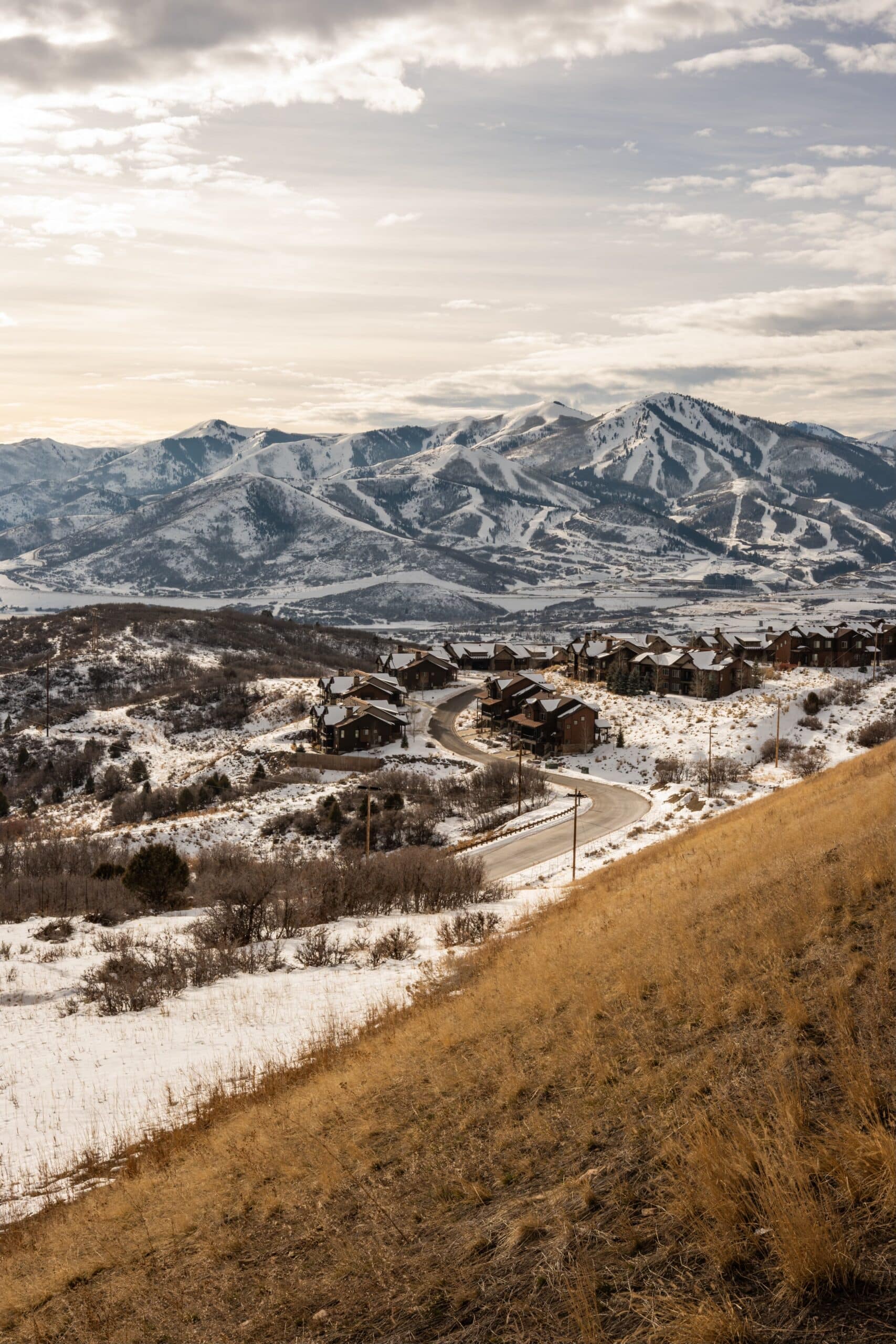
When people picture life in a mountain town, they often imagine chairlifts, ski slopes, snow-covered lodges, and residents who spend every winter weekend racing down the mountain.
Skiing and snowboarding are important parts of many mountain communities, but they are only part of the story.
You do not need to ski to enjoy mountain-town life. These communities offer countless ways to appreciate the outdoors, meet people, explore local culture, and remain active throughout the year.
Whether you prefer hiking, music, food, photography, paddling, or simply relaxing in a beautiful setting, there may be a place for you in the mountains.
Explore Local Trails
Hiking is one of the most accessible ways to experience a mountain community.
Many towns have trails for different fitness and experience levels, ranging from short nature walks to challenging routes through forests and alpine terrain. You do not need expensive equipment to begin. A comfortable pair of shoes, appropriate clothing, water, and some basic preparation may be enough for an easier local trail.
Walking and hiking also provide an opportunity to learn about the landscape. You begin to recognize local plants, seasonal changes, wildlife, and the way weather moves through the mountains.
Always research a trail before starting. Check its distance, elevation, conditions, accessibility, and expected weather. Mountain conditions can change quickly, even during warmer months.
Try Mountain Biking or Recreational Cycling
Mountain biking has become a major year-round attraction in many communities.
Some ski areas convert their slopes into lift-served biking terrain during the summer, while towns may offer paved paths, forest roads, and beginner-friendly trail networks.
You do not need to begin with the most technical trail. Rental shops and local guides can help you find a route that matches your ability. Many communities also have cycling clubs, group rides, and skills clinics for beginners.
If mountain biking does not appeal to you, recreational cycling can still be a great way to explore nearby neighborhoods, greenways, parks, and scenic roads.
Get Out on the Water
Mountain regions are often surrounded by rivers, lakes, and reservoirs.
Depending on the destination, residents may enjoy:
- Kayaking
- Paddleboarding
- Canoeing
- Rafting
- Swimming
- Fishing
- Tubing
- Sailing
Water activities can offer a completely different view of the landscape. A quiet morning on a lake feels very different from an afternoon hiking through the forest, but both can provide a meaningful connection to the outdoors.
Safety remains essential. Pay attention to water temperatures, currents, weather, local regulations, and required equipment. Guided trips can be a smart introduction to rafting, fishing, and unfamiliar waterways.
Attend Festivals and Community Events
Mountain towns often have active calendars filled with music, art, food, recreation, and community celebrations.
Depending on the town and season, you might find:
- Outdoor concerts
- Farmers markets
- Art walks
- Film festivals
- Food and beverage events
- Holiday celebrations
- Outdoor races
- Local fairs
- Cultural events
- Volunteer projects
These activities give residents something to enjoy beyond outdoor sports. They can also help newcomers learn about the community and meet people with similar interests.
Following local organizations, libraries, chambers of commerce, recreation departments, and community groups online can help you discover upcoming events.
Support Local Restaurants and Businesses
Small businesses often play a central role in mountain-town life.
Coffee shops, bookstores, restaurants, galleries, breweries, markets, gear shops, and music venues can become informal gathering places. Visiting the same businesses regularly allows you to recognize familiar faces and feel more connected to the community.
Supporting local businesses is also one of the simplest ways to contribute to the town’s economy. Tourism may bring visitors into the area, but year-round residents help sustain businesses during quieter periods.
You do not need to spend heavily. Buying coffee from a local shop, attending a free event, visiting a market, or recommending a business to someone else can make a difference.
Enjoy Winter Without Skiing
Winter recreation extends far beyond downhill skiing.
Depending on local conditions, you may be able to try:
- Snowshoeing
- Cross-country skiing
- Winter hiking
- Sledding
- Ice skating
- Fat-tire biking
- Wildlife watching
- Scenic photography
Some activities require less experience and expense than resort skiing. Snowshoeing, for example, can make familiar hiking trails feel completely different after a snowfall.
Winter can also be enjoyed at a slower pace. Reading near a window, visiting a local café, attending a concert, cooking with friends, or taking a walk through a snow-covered downtown can all be part of the season.
Discover Local Arts and Culture
Mountain communities are often home to artists, musicians, craftspeople, writers, and independent business owners.
Galleries, theaters, museums, live-music venues, workshops, and community classes provide opportunities to experience the creative side of mountain life. Some towns have long artistic traditions, while others are developing newer creative communities.
Joining a class or attending a recurring event can be especially helpful if you recently moved to the area. Shared interests often make it easier to meet people than simply hoping friendships develop on their own.
Volunteer in the Community
Volunteering allows you to contribute while developing a stronger connection to the town.
Mountain communities may need volunteers for:
- Trail maintenance
- Environmental projects
- Festivals
- Food banks
- Animal shelters
- Youth programs
- Community gardens
- Emergency services
- Arts organizations
- Local nonprofits
Volunteer work can introduce you to residents you might not otherwise meet. It can also help you better understand the community’s needs, values, and challenges.
If you are searching for work, volunteering should not be treated only as a networking strategy. However, the relationships and local knowledge you gain may naturally help you become more established.
Appreciate the Quieter Moments
Not every mountain-town experience needs to be an adventure.
One of the greatest benefits of living near the mountains can be the ability to slow down. Watching the sunrise, walking beside a river, reading in a park, photographing fall colors, or taking a scenic drive can be just as meaningful as reaching a summit.
Mountain living is not a competition to see who can ski the fastest, climb the highest, or own the most outdoor equipment.
It is about finding a relationship with the environment and community that feels natural to you.
Find Your Version of Mountain Living
There is no single correct way to enjoy a mountain town.
You can be a skier, artist, musician, hiker, restaurant enthusiast, volunteer, paddler, photographer, or someone who simply appreciates clean air and beautiful scenery.
Before deciding where to live, consider what you genuinely enjoy. Look for a community that supports your interests rather than choosing a destination based only on its reputation.
You do not need to organize your entire life around skiing to belong in a mountain community.
The mountains offer something in every season—and there are many ways to make the experience your own.