

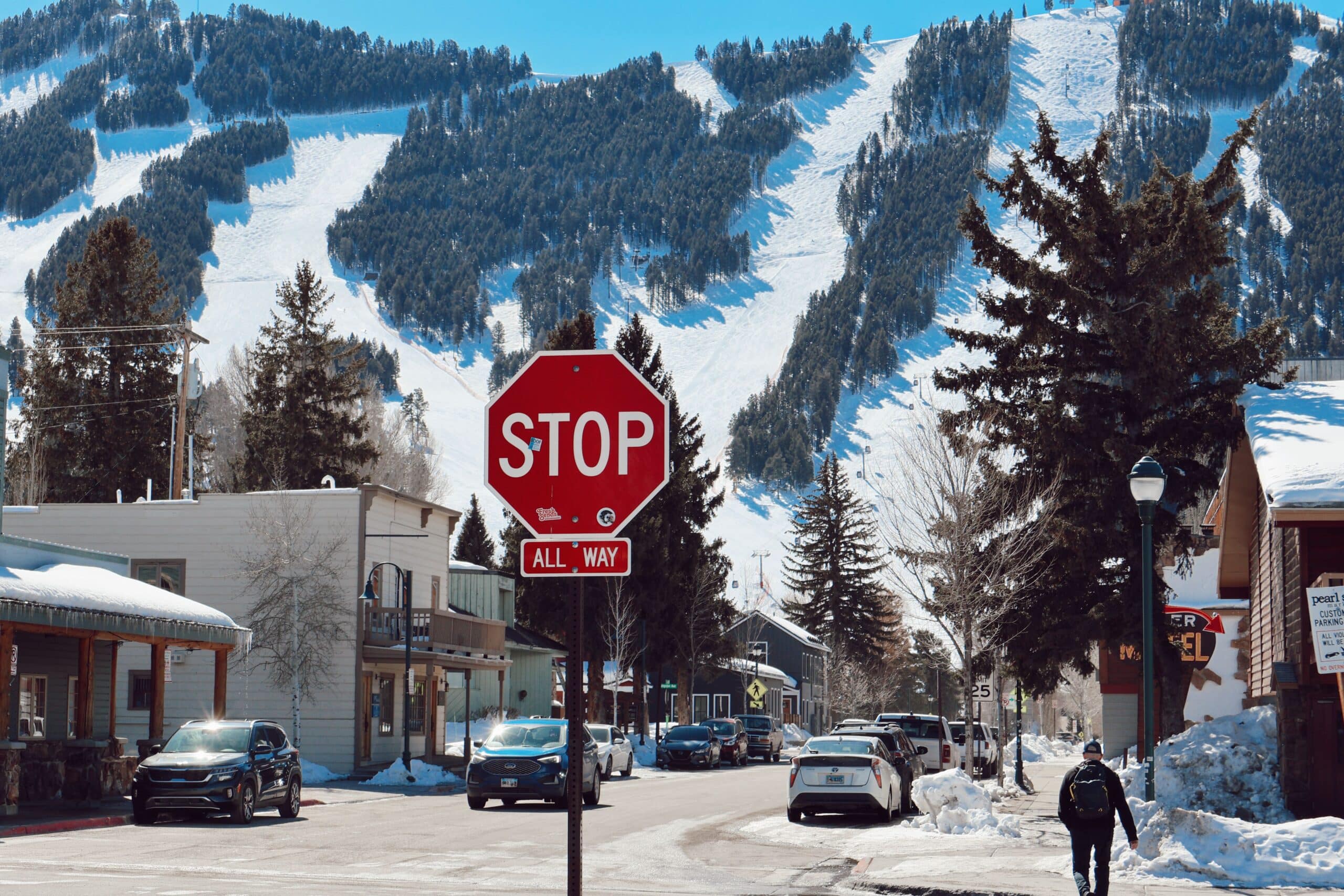
Your first fall in a mountain town can be exciting. Familiar streets take on new colors, the air turns cooler, and the community begins moving toward another season.
It is also a useful time to prepare. Small decisions about clothing, transportation, housing, and your daily routine can make the transition into winter more comfortable.
Every mountain community is different. Some experience winter conditions early, while others have a longer, milder autumn. Start with local information and prepare for the conditions where you actually live.
Expect Conditions to Change
A comfortable afternoon can become a cold evening. Conditions may also vary considerably between town and nearby higher elevations.
Get into the habit of checking the forecast before work, travel, and outdoor activities. For outings, check route conditions as well.
You do not need to buy everything at once. Begin with clothing that suits your daily needs, then add items as you understand the local conditions.
Build a Practical Clothing Routine
Think about the places you spend time: your workplace, your commute, your home, and the activities you enjoy.
Layers give you flexibility as temperatures change. Suitable footwear matters too, especially if your routine includes walking in wet or slippery conditions.
Ask your employer about uniforms, outdoor duties, and required equipment. Find out what is supplied before purchasing work-specific items.
Comfortable clothing makes everyday tasks easier, whether you are walking to a café or starting an early shift.
Plan Around Shorter Days
As daylight decreases, an activity you could comfortably complete after work in summer may require a different schedule.
Consider moving longer outings to days off or choosing shorter routes during the working week. Leave enough time to get home before dark, and carry appropriate lighting when needed.
Your routine may change indoors as well. Make room for activities you enjoy at home or in the community so the season still feels active and rewarding.
Review Your Transportation
Before winter arrives, work out how you will reach your job, groceries, appointments, and other essentials.
Check transit schedules and ask whether services change seasonally. If you drive, arrange appropriate vehicle checks and learn about local winter driving requirements.
Think through a backup plan for disrupted travel. Knowing whom to contact at work and what alternatives are available can reduce last-minute stress.
Get to Know Your Home’s Heating and Maintenance
If you rent, ask your landlord or property manager how the heating system works and whom to contact if something goes wrong.
Clarify which costs are included in rent and which are your responsibility. Ask about building-specific preparation and maintenance expectations.
If you are in employee housing, learn the reporting process for problems and review the rules for shared spaces. A little preparation is especially helpful when several people rely on the same facilities.
Check Local Business Hours
Some businesses adjust their hours between visitor seasons. A favorite restaurant, attraction, or service may operate on a reduced schedule or close temporarily.
Check before making a special trip. Identify dependable options for everyday needs, including groceries and transportation.
Seasonal changes can also affect work schedules, so speak with your employer about any expected reduction or increase in hours.
Keep Building Your Community
Fall is a good time to establish routines that help you stay connected.
Try a recurring class, volunteer activity, community group, or regular gathering. Choose something you would enjoy attending more than once.
Having familiar people and places can make a new town feel more comfortable as outdoor routines change.
Prepare a Little at a Time
You do not need to solve every winter question in one weekend. Start with your commute, work requirements, housing, and everyday clothing.
Then make room for the enjoyable parts of the season: a walk, a warm meal, a local event, or time with friends.
At MountainJobs, we help people explore the practical steps toward living and working in mountain communities. Preparing for the seasons is part of building a life you can enjoy year-round.